 EN
EN  עברית
עברית Español
 Français
 Deutsch
 Português
Bali for Digital Nomads in 2026: Areas, Visas, Internet
Where remote workers base themselves in Bali, which Indonesian visa fits a month or a year, and what to check about internet and weather before you book.
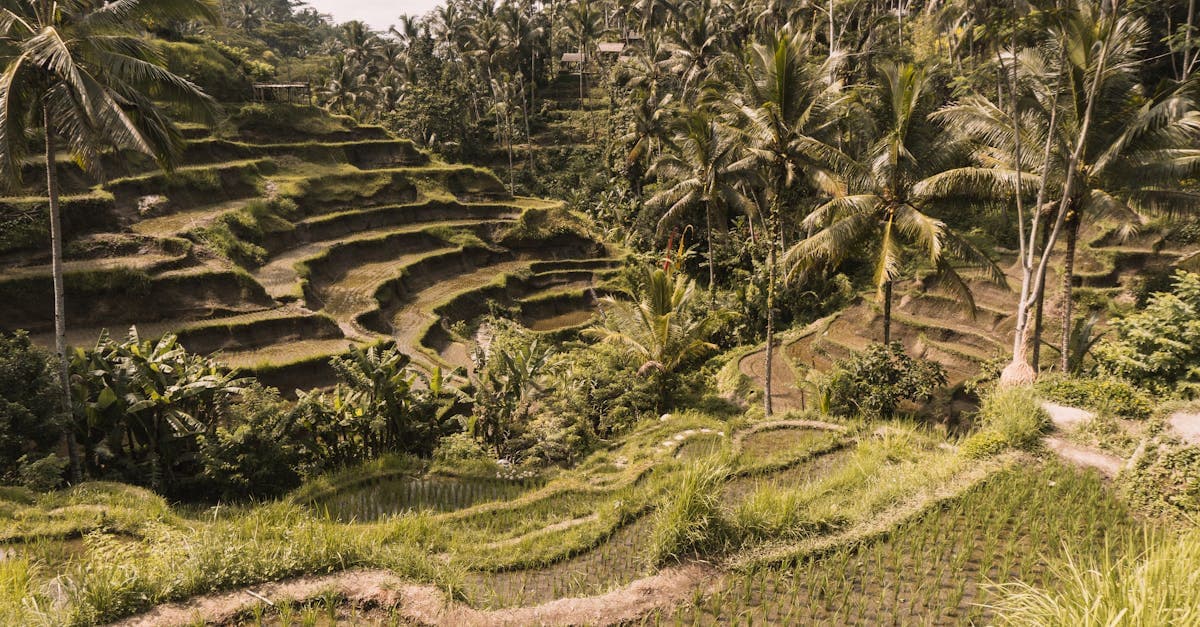
The rice terraces and pool villas in photos of Bali are real. So is the traffic in Canggu, and so is villa internet that varies from street to street.
People keep coming anyway, mostly because so many other remote workers are already there. This guide covers what to know before you pick an area and a visa.
What it costs
Prices vary widely by area and season, and old budget figures from blog posts are out of date. Check current monthly listings for the area you want before you set a budget.
The main areas
Canggu
Canggu has the densest concentration of remote workers, cafes, coworking spaces and nightlife on the island. If you want to meet people in your first week, it is the obvious base.
The drawback is traffic. The roads were not built for the number of scooters now using them, and short distances can take a long time at peak hours. The main streets are the most expensive and the most crowded; the side streets are quieter.
Best for: a first stay in Bali, and anyone who wants a social scene straight away.
Ubud
Inland Ubud is built around rice terraces, yoga, galleries and a slower pace. The crowd leans toward wellness and creative work rather than nightlife.
There is no beach, it is humid, and there is less coworking choice than in Canggu.
Best for: people who want quiet, and anyone who has already done a stint in Canggu.
Seminyak
Seminyak is the more polished neighbour, with more upmarket restaurants and hotels and higher prices. There are fewer remote workers, so you meet fewer people by chance. It suits couples and people who care more about where they eat than who they meet.
Sanur
Sanur, on the calmer east coast, is where many long-term expats settle. It is quieter and feels more local. The remote-work scene is small, so you will not stumble into a meetup, but it makes a good base if you already have people on the island.
Uluwatu
Uluwatu, on the Bukit peninsula in the far south, is known for its cliffs and surf breaks. It is a long way from Canggu by road and has few coworking options. It is easy to love for a week and harder for a month if you depend on infrastructure.
Visas in 2026
Indonesian rules change often. Check the official Indonesian immigration site and the eVisa portal before you travel; what follows is what official immigration pages said when we checked in October 2026.
- Visa on Arrival (VoA), for eligible passports: 30 days, extendable once by another 30 days, for a total of 60. The extension is applied for online and costs IDR 500,000 (Indonesian immigration, Yogyakarta office). Short stays usually use this one.
- C1 tourist visa: applied for online before you arrive. The first stay is up to 60 days, and it can be extended to a total of 180 days (imigrasi.go.id, C1). Many guides still call it the B211A. It is a tourist visa, not a work visa.
- E33G remote worker visa: a one-year stay permit for people employed by a company outside Indonesia. It requires an annual income of at least US$60,000, and you may not be paid by anyone in Indonesia (imigrasi.go.id, E33G). This is the visa built for remote workers.
Overstaying is expensive. A Yogyakarta immigration office lists the fine as IDR 1,000,000 per day (jogja.imigrasi.go.id).
If you plan your stays in NomadPoint, it counts your days in Indonesia against the passport you hold, so you can see how many you have left before you book the flight out.
Internet
Coworking spaces are the safest bet. The established ones sell themselves on reliable connections and quiet spaces for calls.
Cafes vary. Some are fine for a day of work and some will drop a video call. Keep your phone hotspot ready.
Villas are where it goes wrong. Connection quality can differ from one street to the next. Run a speed test before you sign, and run it during working hours.
Mobile data is your backup. Buy a local SIM or eSIM on arrival and keep enough data on it to cover a lost connection at home.
Things that catch new arrivals out
Heat and humidity. Coming from a temperate climate, expect to lose some energy for the first couple of weeks. Air conditioning where you work is worth paying for.
Wet season. Roughly November to March, with heavy tropical downpours that can flood roads and cut power. Storms often pass within an hour, but they will disrupt a schedule. The dry season runs from about April to October.
Traffic. Map estimates in Canggu are optimistic at peak times. If you have morning calls, live within walking distance of where you work.
Stomach trouble. Many visitors get sick at least once. Busy warungs with high turnover, bottled or filtered water and caution with ice reduce the odds.
People leave. The community turns over fast. Many of the people you meet will move on within weeks, and the lasting friendships tend to come from repeat visits or longer stays.
A first month
Weeks one and two: base yourself in Canggu. Join a coworking space and go to a meetup in your first week.
Week three: spend a few days in Ubud and see if the slower pace suits you better.
Week four: settle into the places that work: the cafe where you get things done, the warung you keep going back to. By the end of the month you will know whether to extend.
Is it still worth it?
Bali is no longer cheap and the traffic keeps getting worse. Its advantage is the number of people working remotely in a small area, which makes it easy to find company, coworking and advice. If that matters to you, a month is a reasonable test. Keep count of your visa days while you are there.
NomadPoint Team
Written by nomads who've lived in 30+ countries. We build the tools we wish existed.