 EN
EN  עברית
עברית Español
 Français
 Deutsch
 Português
Digital Nomad Visas in 2026: Rules, Income and Schengen
Visa-free stays, digital nomad visas and the Schengen 90/180 rule, with income thresholds and durations checked against official sources in October 2026.
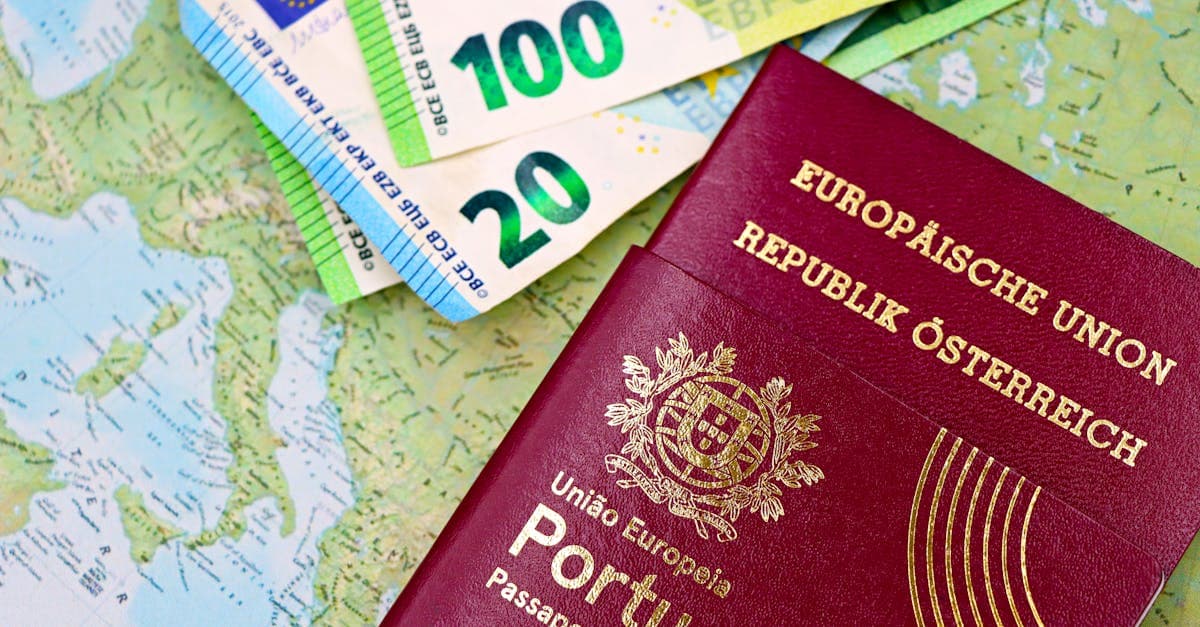
Visa rules decide how long you can stay anywhere, and they are the easiest part of a nomad year to get wrong. A missed exit date can mean a fine and a record that follows you to the next border.
This guide sorts the options into tiers, from turning up at the border to applying for a dedicated remote-work visa. Every duration and threshold below was checked against an official source in October 2026 and is linked. Rules change often, and many depend on your nationality, so confirm the current rule for your passport before you book.
The tiers
Tier 1: visa-free entry
You arrive, get stamped and stay up to a set limit.
- Georgia: citizens of the countries on Georgia's visa-free list can stay one full year without a visa (Government of Georgia Ordinance No. 255, Legislative Herald of Georgia). The list is long but not universal.
- Mexico: visitors can be admitted for up to 180 days, but the immigration officer decides the number of days and can grant fewer (Consulate of Mexico in Denver). Carry proof of onward travel and of what you plan to do.
- Thailand: since 15 September 2026, nationals of 60 countries and territories get 30 days visa-free, for tourism, down from 60 days (Royal Thai Embassy, Doha).
Visa-free entry is not permission to work. A visa-free or tourist entry covers tourism. Whether remote work for a foreign employer is allowed on one depends on the country. If you want to be certain you are working legally, use a visa that names remote work.
Tier 2: digital nomad visas
These are visas written for people who work remotely for employers or clients abroad. The terms vary a lot, so compare the duration, the income test and whether the time counts toward residency.
| Country | Visa | Duration | Income requirement | Official source |
|---|---|---|---|---|
| Portugal | Residency visa for remote work (D8) | Residency route | Average monthly income over the last three months of at least 4× the Portuguese minimum wage | Embassy of Portugal checklist |
| Spain | International telework visa | Visa valid up to 1 year | 200% of Spain's monthly minimum wage (SMI), plus more per family member | Consulate of Spain in Washington |
| Croatia | Temporary stay of digital nomads | Up to 18 months | €3,622.50 a month, or €43,470 in savings for 12 months / €65,205 for 18 months | Croatian Ministry of the Interior |
| Thailand | Destination Thailand Visa (DTV) | Valid 5 years, up to 180 days per entry | Savings of at least 500,000 THB or 15,000 EUR | Royal Thai Embassy, Helsinki |
| Colombia | Visa V, digital nomads | Up to 2 years | 3× the Colombian monthly minimum wage, over the last three months | Cancillería |
| Indonesia | E33G remote worker | 1 year | At least US$60,000 a year, employed by a company outside Indonesia | Indonesian immigration |
Where a threshold is tied to a minimum wage, the euro or peso figure changes every year, so we have given the formula rather than a number that will go out of date.
Portugal's D7 is a different visa, for people living on passive income such as pensions or rent. Indonesia's C1 visa, which many guides still call the B211A, is a tourist visa: up to 60 days, extendable to 180 in total (Indonesian immigration). It is not a remote-work visa.
Some nomad visas are hard to use in practice. Look out for income requirements far above what you earn, processing times longer than you plan to stay, and rules that require you to wait in the country while the application is processed.
Tier 3: e-visas
Applied for online before you travel, usually for shorter stays.
- Vietnam: e-visa for up to 90 days, single or multiple entry (Vietnam National Authority of Tourism).
Tier 4: visa on arrival
You pay at the airport and get stamped.
- Indonesia: 30 days for eligible passports, extendable once by 30 days. The extension costs IDR 500,000 (Indonesian immigration, Yogyakarta office).
Tier 5: a visa from an embassy
A paper application and an appointment, then a wait. Still required for some countries and nationalities.
The Schengen 90/180 rule
The rule: a short stay is limited to 90 days in any 180-day period, counted across all Schengen countries together, not per country (European Commission). To check a given day, count back 180 days and add up the days you were in the area.
So if you spend 60 days in Portugal, you cannot then spend 60 in Spain. You have 30 days left in the whole area until older days drop out of the window.
Long-stay visas: the European Commission says that holders of an EU residence permit or long-stay visa are not subject to the 90/180 rule, and that time spent on one should not be counted (European Commission). That is why a national visa such as Portugal's D8 or Spain's telework visa changes the arithmetic. Travel to other Schengen countries on that visa is limited separately, so check the rules of the country that issued it.
The Schengen area is bigger than it used to be. Croatia joined in 2023, and Romania and Bulgaria became full members on 1 January 2025 (eucrim). Older advice that lists them as places to spend days outside Schengen is wrong. European countries outside the area include Albania, Montenegro, Georgia and Turkey, each with its own entry rules for your passport.
NomadPoint counts Schengen days for you across every stay in your journey, per passport, so overlapping stays in several countries add up correctly.
What changed in 2026
- Thailand cut its visa-free stay from 60 days to 30 for nationals of 60 countries and territories, from 15 September 2026 (Royal Thai Embassy, Doha). Anyone used to 60 days on arrival needs to replan.
- Croatia's digital nomad stay now runs up to 18 months, and its income threshold is €3,622.50 a month (Croatian Ministry of the Interior).
- Spain's income test is 200% of the Spanish minimum wage (SMI), so it rises whenever the SMI does. Consulates publish the current euro figure (Consulate of Spain in Washington).
- Romania and Bulgaria have been full Schengen members since 1 January 2025, so days there count toward the 90/180 limit (eucrim).
Planning a year
Plan two or three countries ahead rather than one. Before you commit to a sequence:
- Check each country's limit for your passport, and whether days in one count toward another (they do across Schengen).
- Check how long each visa takes to get, and whether you have to apply from home.
- Leave margin before every exit date for a delayed or cancelled flight.
Questions to answer first
- How long do you want to stay? For a short stay, visa-free entry may be enough. For longer, look at a visa built for it.
- Do you want residency? Some nomad visas lead toward it and some do not. Check how the country counts time on the visa before you choose it.
- Do you meet the income test? Compare your verifiable income with the thresholds in the table, using the current year's minimum wage.
- Do you want to be certain your work is legal? Then use a visa that names remote work.
Count your days
The most common visa mistake is losing count. Indonesia, for example, lists an overstay fine of IDR 1,000,000 per day (Indonesian immigration, Yogyakarta office), and an overstay on record can make future entries harder.
Record each entry and exit, know your limits, and plan your exit before you book the entry. NomadPoint is a free travel planner for iPhone, iPad, Mac and Apple Watch, also usable in the browser, that keeps your flights and stays in one place and counts visa and Schengen days for each passport.
NomadPoint Team
Written by nomads who've lived in 30+ countries. We build the tools we wish existed.